
Bulgaria is a European country, situated in the eastern part of the Balkans. It’s territory is 110 910 sq. km., with population around 7 640 000 people. The capital city is Sofia.

The Bulgarian country in South-eastern Europe is established during the 7th century and has important role in the progress of christianity, literature and culture among the peoples of Eastern Europe. A few centuries later during the decline of the second Bulgarian country (1185-1396/1422) the state is enslaved by the Ottoman empire and stays a part of it for five centuries. The Russian-turkish war of 1877-1878 led to the establishment of the Third Bulgarian country. After the Second World War Bulgaria became a part of the Eastern blocк with communistic regime of government. In 1990 the parliamentary democracy is restored in Bulgaria and today the country is a member of the European Union and NATO.

Cities

Sofia

alternative information

Lorem ipsum dolor sit amet, consectetur adipiscing elit

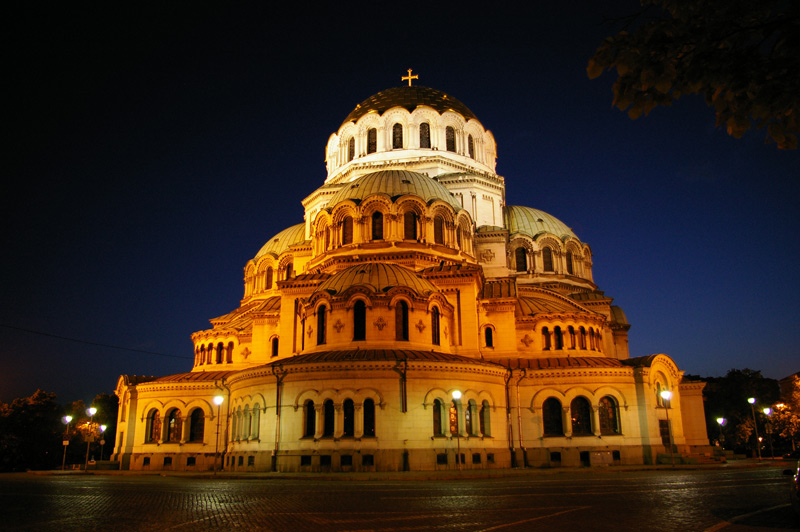
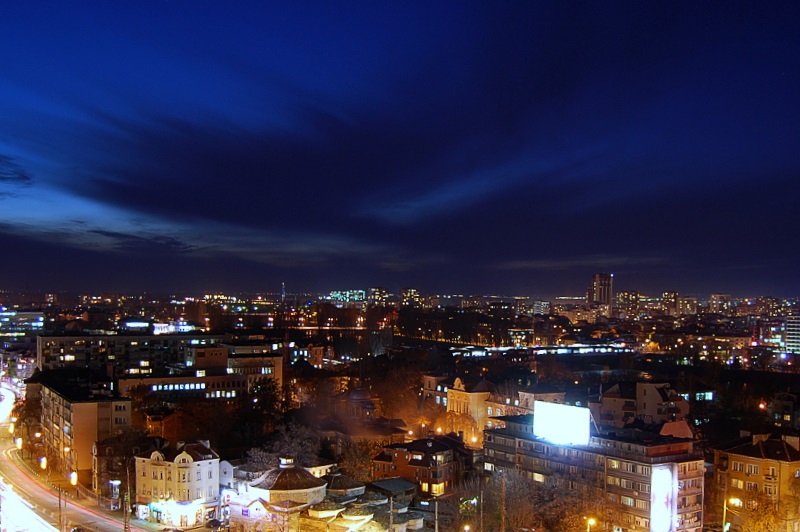
Sofia is Bulgaria’s capital and its largest city. Founded thousands of years ago, today the city continues to develop as the country’s cultural and economic center. At present, the city has a population of 1,250,000. Sofia preserves many valuable monuments to its long and storied past. Visitors exploring the city’s streets can see remnants of The Eastern Gate from the days when Sofia was Serdika and Sredets, dating from the 2nd-4th centuries. These remains are exhibited in the underpass connecting the Presidential Palace and The Ministerial Council, surrounded by shops selling traditional Bulgarian souvenirs and rosewater. The city’s annual celebration is observed on September 17, in honor of the martyrdom of Saint Sofia and her three daughters Vyara (Faith), Nadezhda (Hope), and Lyubov (Love).

Pellentesque habitant morbi tristique senectus et netus et malesuada fames ac turpis egestas. Vestibulum scelerisque dignissim massa, sed gravida nisi sollicitudin vel. Sed nec erat feugiat
Plovdiv

alternative information

Lorem ipsum dolor sit amet, consectetur adipiscing elit

Plovdiv is the second largest city in Bulgaria and an administrative center of Plovdiv County. It is situated in the Upper Thracian Plain (Gornotrakiyska Nizina), on the both banks of the Maritsa river. The population of the city is about 350,000 people. The climate is transitional–continental with mild winters and hot summers. The average temperature in January is +1°С, the average temperature in July is +24°С. The town in its present appearance was built around seven hills – the hills of Plovdiv (Plovdiv Tepes) which are an inseparable part of the city’s history. Plovdiv is one of the oldest cities in Europe – the beginning of its history dates back to 4,000 years BC. In the beginning the ancient settlement was situated on the natural elevation between Nebet, Taksim and Dzhambaz hills (the Three Hills). In ancient times Thracians inhabited the Three Hills and built a fortified settlement – the largest city in Thrace. In the 4th century BC Plovdiv was conquered by Phillip of Macedonia. He gave the city one of its many names – Phillipopolis, and had it surrounded by thick fortified walls. Later the Thracians regained their power over the city, but after a series of battles in the 1st century AD it became a part the Roman Empire.

Pellentesque habitant morbi tristique senectus et netus et malesuada fames ac turpis egestas. Vestibulum scelerisque dignissim massa, sed gravida nisi sollicitudin vel. Sed nec erat feugiat

Stara Zagora

alternative information

Lorem ipsum dolor sit amet, consectetur adipiscing elit

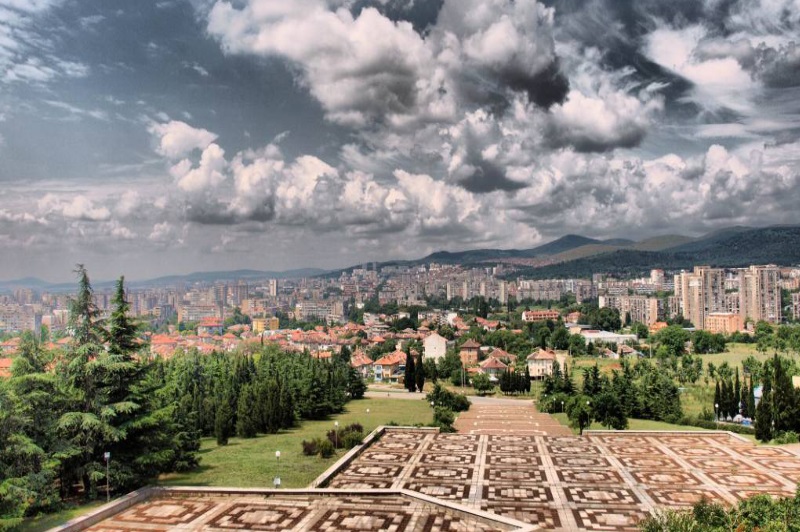
The town of Stara Zagora is located in the heart of Bulgaria – at a place where the green hills of the Sredna Gora Mountain merge with the golden Thrace valley. With its 160,500 inhabitants it is one of the largest in the country. It is situated 230 km away from Sofia and 180 km away from Bourgas. Stara Zagora is a town undergoing dynamic development. It is a university center, a town with rich historic past and many scientific and cultural institutions. The cultural and historical heritage of the town is the result of its eight thousand year history that can be traced in the rich archives of the Regional History Museum; "The Neolithic dwellings" Museum, presenting the best preserved dwellings in Europe from the middle of 6th century BC; the Antique Forum of Augusta Trayana; the "Defenders of Stara Zagora 1877" Memorial Complex, the "Geo Milev" Museum, the Art Gallery; the Museum of Religions. The clean air, the mild climate, the mineral water and hospitable hotels make them a desirable place to visit and relax throughout the year. Nearby is the "Virgin Mary's footprint" locality. According to a legend, the Holy Mother had passed there once and left a footprint in the stone that has kept water ever after even in times of most severe drought. The "Virgin Birth" chapel has been built there.

Pellentesque habitant morbi tristique senectus et netus et malesuada fames ac turpis egestas. Vestibulum scelerisque dignissim massa, sed gravida nisi sollicitudin vel. Sed nec erat feugiat